RENOVATE gathers farmers and stakeholders across six European countries through its first round of Focus Groups

A co-creation environment to identify farmers’ training needs in crop protection, new technologies and EU regulatory compliance

Since October 2024 and throughout 2025, the RENOVATE project organised the first round of its Focus Groups across six European countries — Portugal, Italy, Spain, France, Belgium and Poland — bringing together more than 170 stakeholders from across the agricultural value chain, including farmers, advisors, trainers, researchers, agricultural services, confederations, machinery manufacturers and crop protection industry representatives. Each national session was coordinated by the corresponding RENOVATE partner and structured around a shared methodological framework, ensuring that the conclusions could be compared and consolidated at European level.

The first Focus Group took place in October 2024 in Lisbon, Portugal, and was followed by Italy in December 2024 in Grugliasco (Piedmont), in a hybrid format combining online plenary sessions with offline group discussions. Spain hosted its session in December 2024 in Zaragoza, while France organised two complementary sessions in January 2025 in Bordeaux and Gruissan. Belgium organised its Focus Group online in February 2025, coordinated from Sint-Truiden, and the cycle was completed by Poland with an online session in March 2025. Together, the six sessions gathered more than 170 attendees, including farmers, advisors, trainers, researchers, regulatory authorities, confederations and industry representatives.

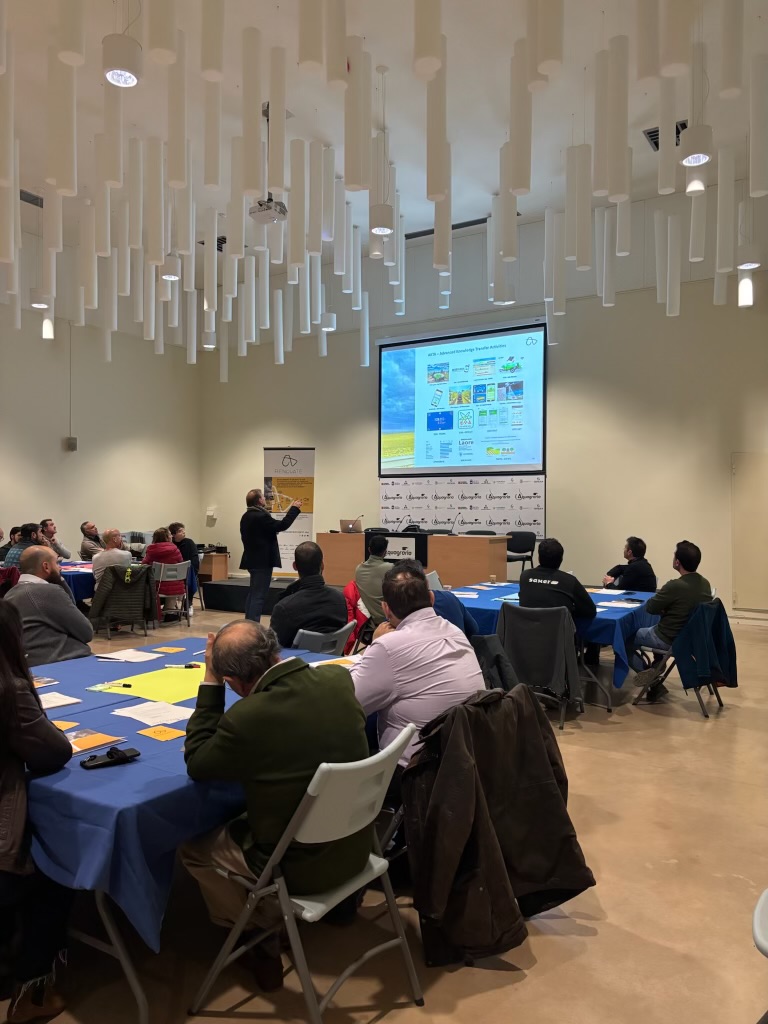
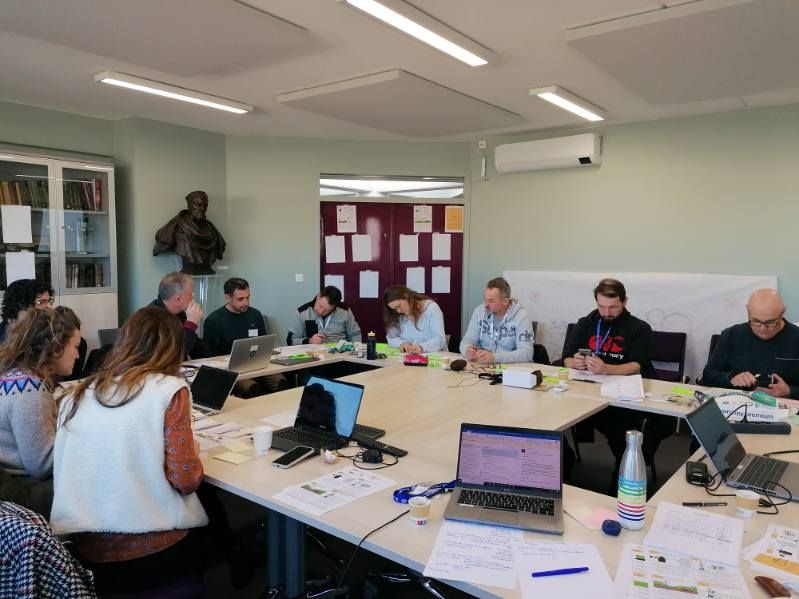
Spain - 1st Focus Group, Zaragoza.
Spain — 1st Focus Group, Zaragoza.
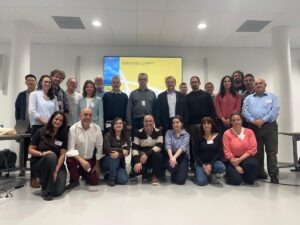
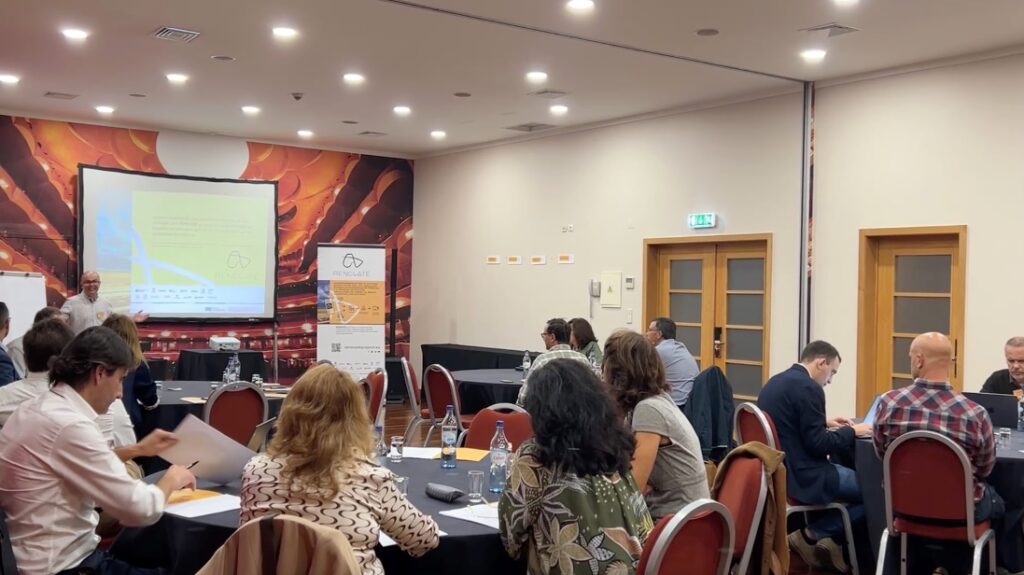
Portugal - 1st Focus Group, Hotel Vila Galé Ópera, Lisbon.
Portugal — 1st Focus Group, Hotel Vila Galé Ópera, Lisbon.
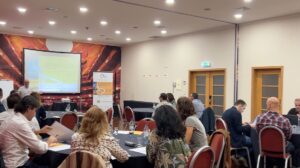
France - Focus Group session in Bordeaux.
France — Focus Group session in Bordeaux.

Defined under Task 1.4 of the project, these Focus Groups aimed to identify the training needs of farmers, with particular attention to young farmers, women and family-sized farms, in relation to the application of plant protection products and the adoption of new technologies. Through a participatory and collaborative process, RENOVATE sought to understand the challenges farmers face in complying with EU legislation, to map gaps in the existing training offer and to gather concrete inputs to guide the development of the project’s interactive training platform and complementary tools.

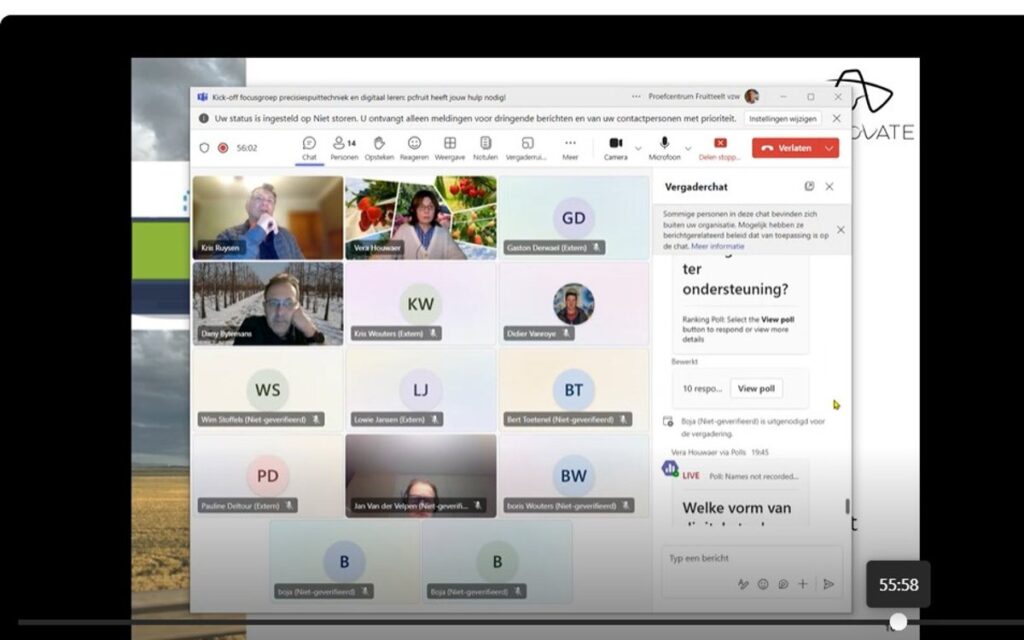
Belgium - Online Focus Group session.
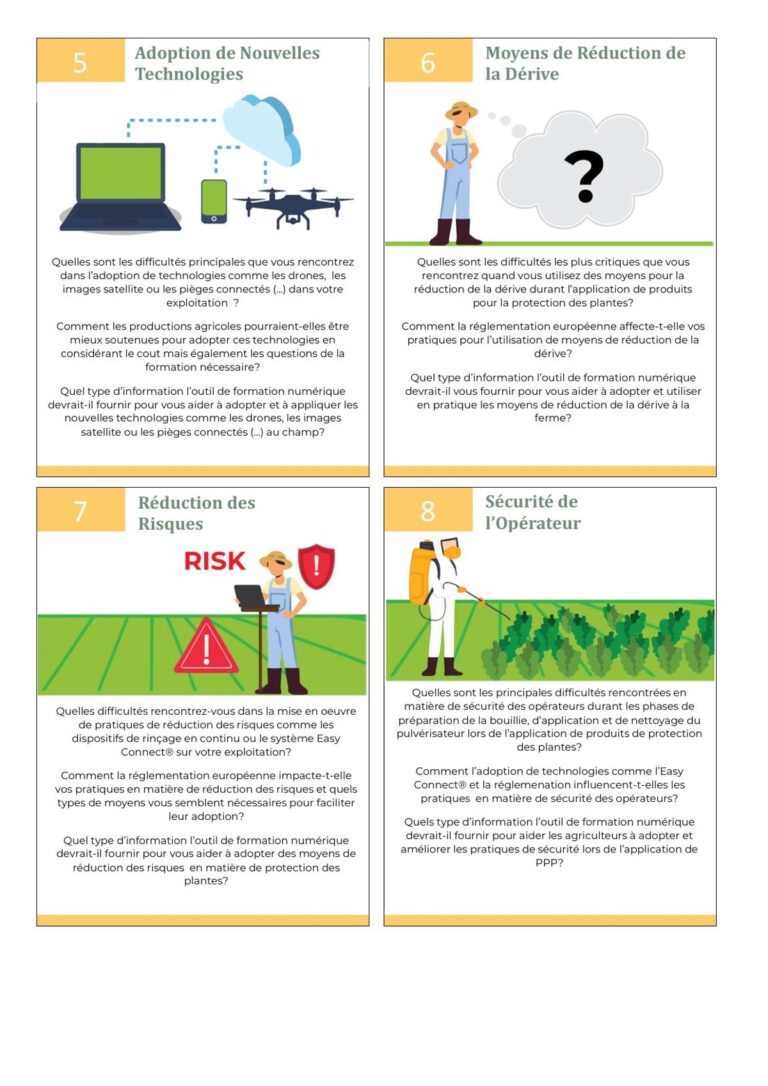
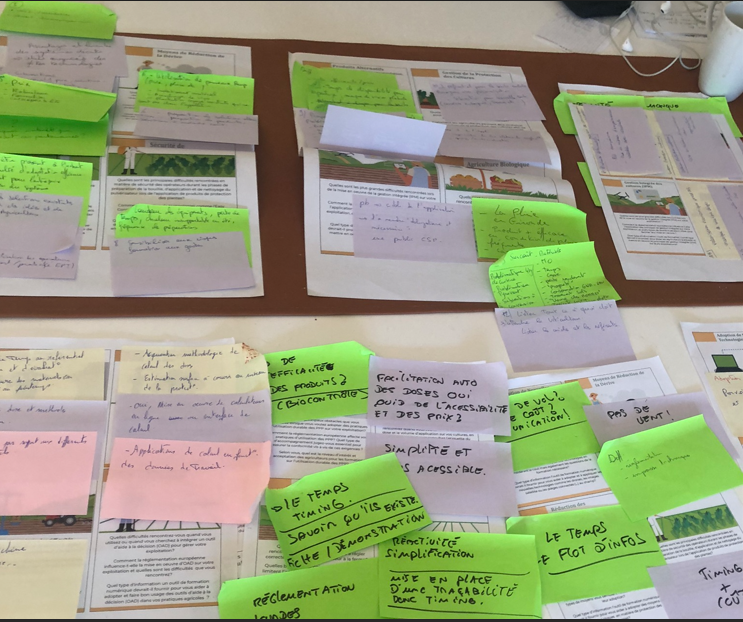
A recurring message emerged across all six countries: farmers need clearer, more practical and better-contextualised training to keep pace with rapidly evolving technologies and an increasingly complex regulatory framework. Participants underlined the importance of hands-on, field-based training over purely theoretical content, the need to simplify access to up-to-date regulatory information, and the demand for solutions tailored to regional realities and to different farm sizes and crop systems. Stakeholders also stressed the importance of building trust in digital tools through validated content, intuitive interfaces and audiovisual resources, and pointed to priority thematic areas such as sprayer calibration, dose expression and calculation, sustainable use of pesticides, integrated pest management, operator safety and new technologies including Decision Support Systems and precision spraying. To structure the discussions, national partners applied the RENOVATE Co-Creation methodology, which was introduced as the Co-Creation Dynamic and built around successive Co-Creation Circles, which employs purpose-designed discussion cards to guide each working group through the key questions of the session. Participants worked in small round-table groups, each receiving a set of cards covering the adoption of technologies and EU legislation, gaps in current training, customisation of training content, priority thematic areas and expectations regarding the RENOVATE platform. The cards proved to be a particularly effective facilitation tool, ensuring that all voices were heard and that conclusions could be consistently compared across countries. An illustration of the discussion cards used during the sessions is shown in Figure 1 below.
Examples of the illustrated discussion cards

Figure 1 — Examples of the illustrated discussion cards and notes used during the RENOVATE Focus Groups (Co-Creation methodology), in local language addressed to local stakeholders.

The outcomes of these first sessions are now being consolidated into a cross-country analysis that will directly inform the design of RENOVATE’s training contents and digital platform.

The next round of Focus Groups (Session 2) will revisit each country to evaluate the tools and materials developed on this basis, continuing the co-creation journey with the same stakeholder communities.

Other news

Funded by the European Union under Grant Agreement 101134024. Views and opinions expressed are however those of the author(s) only and do not necessarily reflect those of the European Union or the European Research Executive Agency (REA). Neither the European Union nor the REA can be held responsible for them.