RENOVATE Consortium meets in Montpellier for its General Assembly
Two days at INRAE Montpellier to take stock of progress and plan the months ahead
- 14–15 October 2025
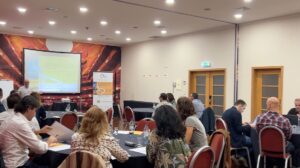
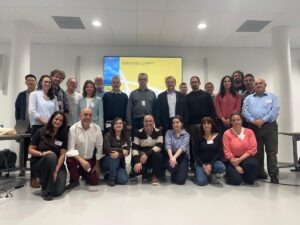
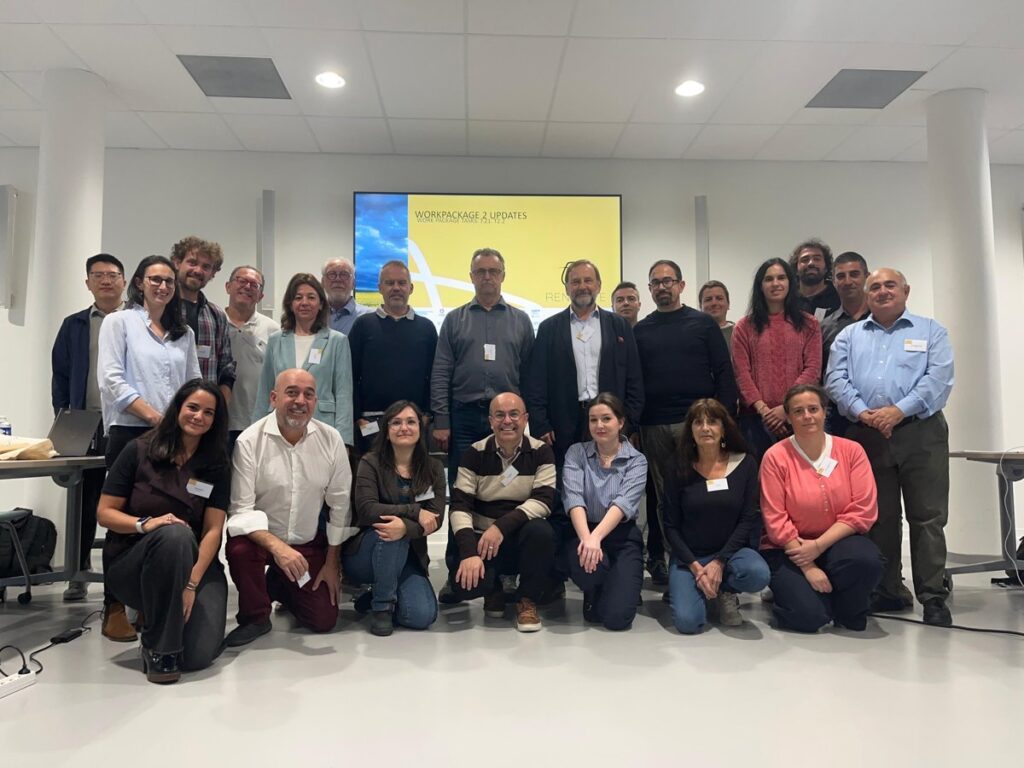
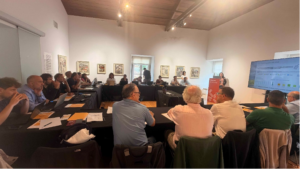
On 14 and 15 October 2025, the RENOVATE consortium gathered at INRAE Montpellier for its General Assembly meeting. The two-day meeting brought together partners from across the consortium to take stock of project progress, align on upcoming deliverables and plan the activities of the coming months.
Day one was dedicated to the technical work packages. The consortium reviewed WP1 (baseline definition and key drivers’ identification), WP5 (Advanced Knowledge Transfer Activities), WP6 (network of knowledge and EU partnership on PPP optimization), WP2 and WP3 (co-creation and integration of the RENOVATE Community Platform) and WP4 (tailor-made training tools), followed by a guided visit to the INRAE facilities.
Day two focused on the cross-cutting work packages — WP7/WP8 (communication and dissemination) and WP9 (project management) — and concluded with a planning session on the next six months of activities, upcoming deliverables and project reporting.
The consortium will reconvene online over the coming months for technical follow-up meetings, with the next General Assembly scheduled in Cyprus in June 2026.
RENOVATE Consortium meets in Montpellier for its General Assembly
The RENOVATE consortium gathered at INRAE Montpellier on 14–15 October...
Read MoreRENOVATE: Knowledge for Sustainable Crop Management
The RENOVATE project promotes the digital transformation of the European...
Read MoreRENOVATE participation in the EU CAP Network seminar ‘Robotics and Artificial Intelligence in farming and forestry’
RENOVATE participated in the Robotics and AI seminar organized by...
Read MoreRENOVATE Press release
RENOVATE Project press release available for media communications.
Read MoreSubscribe to our newsletter
Funded by the European Union under Grant Agreement 101134024. Views and opinions expressed are however those of the author(s) only and do not necessarily reflect those of the European Union or the European Research Executive Agency (REA). Neither the European Union nor the REA can be held responsible for them.